Glucose Syrup Enzymes for Brewery Adjunct Suppliers
Brewing adjunct syrup plants do not get paid for theory. They get paid for clean conversion, stable fermentability, pumpable viscosity, predictable filtration, and tankers that match the brewery specification.
Enzymnova supplies enzyme programs for glucose-forward adjunct syrup production, built for manufacturers serving high-fermentability brewing applications. Our focus is practical: help your plant hold target DE, manage viscosity through liquefaction and saccharification, reduce off-spec variation, and support dependable loading schedules.
If you are looking for an enzyme supplier for brewing syrup production, Enzymnova provides technical enzyme selection and plant-floor support for adjunct syrup lines running corn, wheat, cassava, rice, or other brewery-approved starch streams. We supply manufacturers and distributors only, and quote every order on product, quantity and destination.
Enzyme systems for glucose-forward brewing syrup
Brewery adjunct syrup has a narrow job: deliver fermentable carbohydrate into the brewhouse with minimal surprises. That means your enzyme system must support conversion efficiency without creating downstream handling problems.
Enzymnova enzyme programs can support:
- Liquefaction control for stable slurry thinning and lower peak viscosity
- Saccharification performance for glucose-forward syrup profiles
- Pullulanase-assisted debranching where fermentability targets require it
- Consistent DE progression across starch lots and seasonal variation
- Filtration and clarification stability before evaporation or shipment
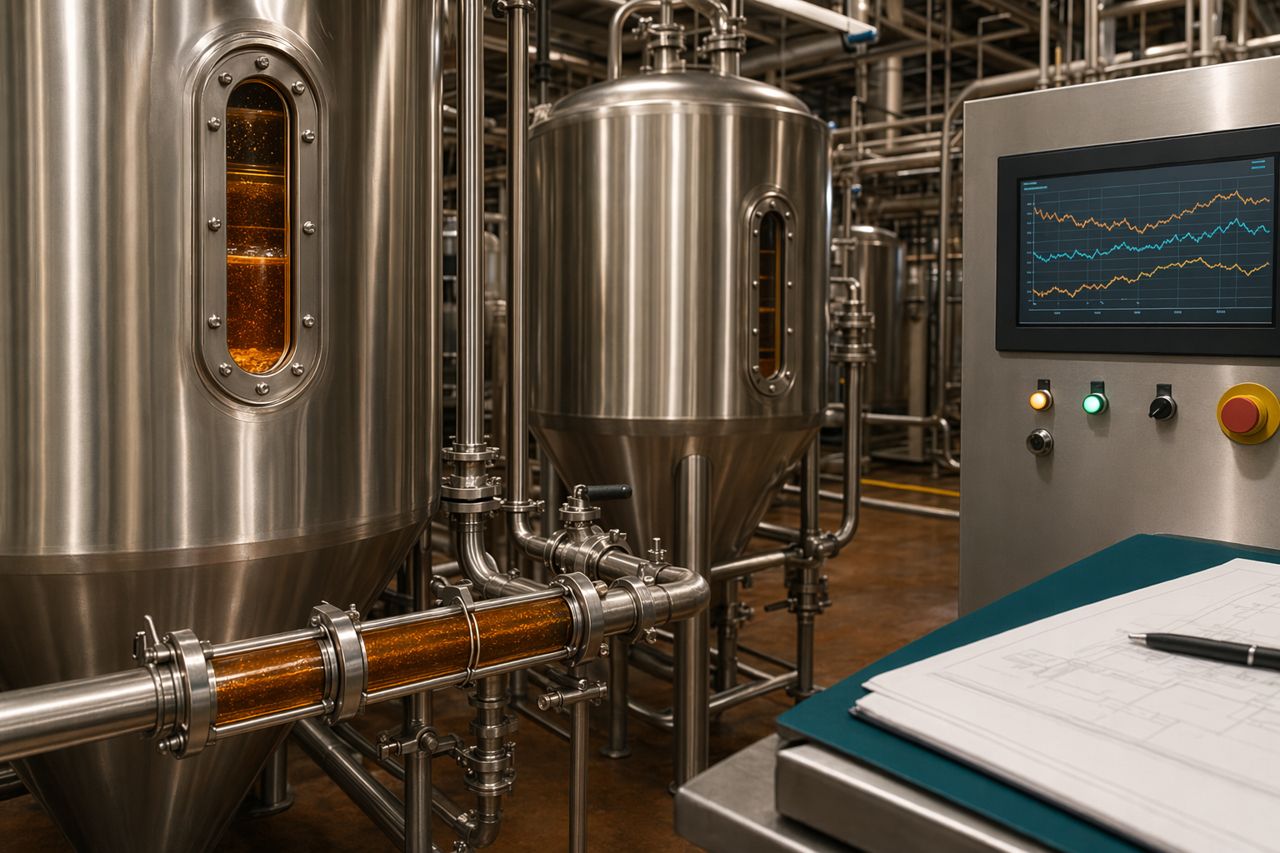
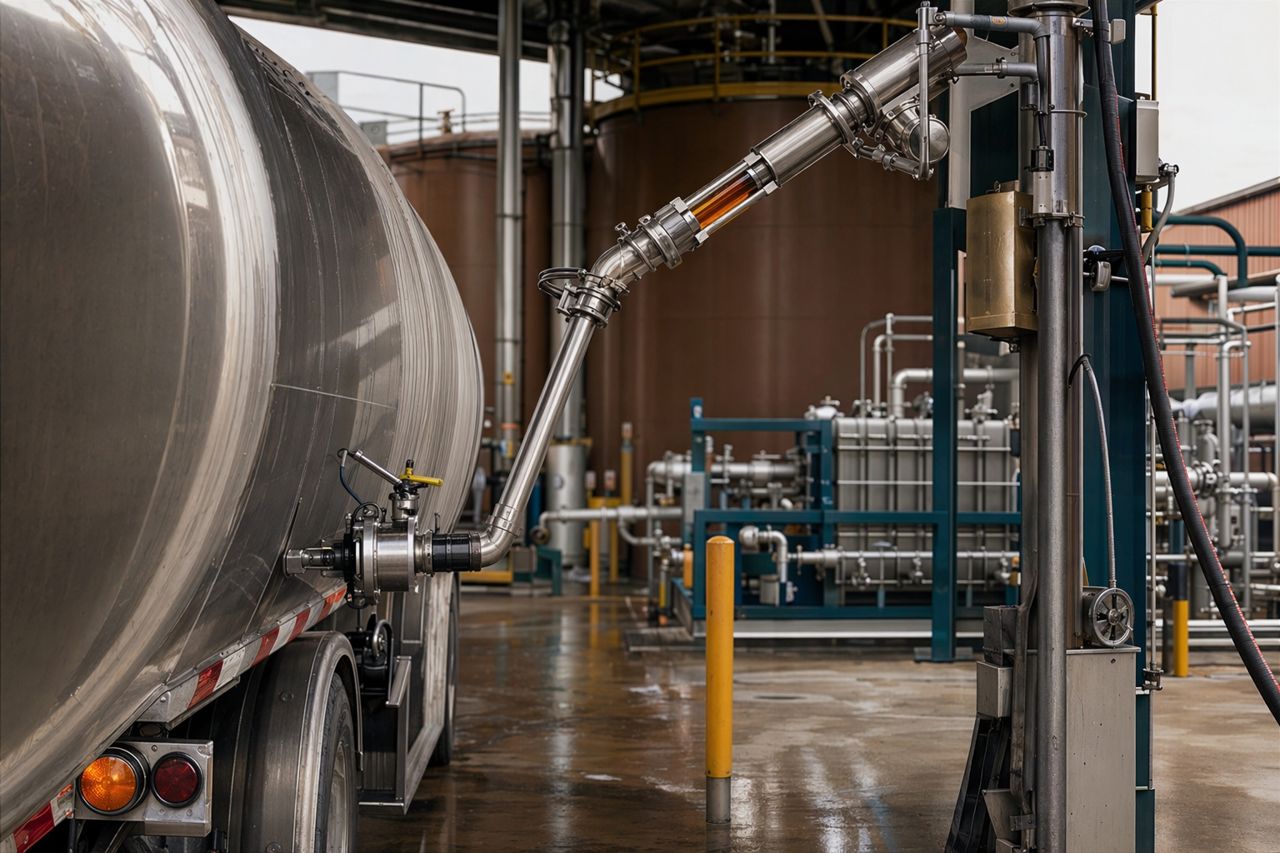
- Reliable syrup viscosity for tanks, pipework, pumps, and loading arms
- Reduced risk of off-spec tanker release due to conversion drift
We do not treat enzymes as catalog items. We match the program to your starch base, cook profile, retention time, pH window, solids target, filtration setup, evaporator constraints, and brewery customer specification.
Built around the way adjunct syrup plants actually run
Your line has constraints: steam capacity, tank availability, campaign length, CIP timing, evaporator load, tanker slots, and customer-specific fermentability limits. A technically correct enzyme that disrupts the production rhythm is not a solution.
Enzymnova helps plant teams evaluate enzyme fit around operational questions that matter:
- Can liquefaction stay stable when starch quality changes?
- Can saccharification reach the intended glucose profile without extending cycle time?
- Can viscosity stay inside the pumpable range before filtration and concentration?
- Can dosage remain reliable across operators, shifts, and campaigns?
- Can the process reduce rework, blending pressure, and delayed tanker loading?
The goal is not maximum conversion at any cost. The goal is controlled conversion that your plant can repeat.
Where Enzymnova supports the process
1. Starch slurry and liquefaction
The first pressure point is viscosity. If liquefaction does not control thinning early, every downstream section feels it: agitators draw harder, transfer pumps struggle, heat transfer becomes less predictable, and filtration can become unstable.
Enzymnova supplies liquefaction enzyme options selected for your cook conditions and desired viscosity profile. The objective is smooth starch breakdown, consistent flow, and fewer process corrections during the shift.
2. Saccharification to glucose-forward syrup
For brewery adjunct syrup, saccharification must deliver the fermentability profile your brewery customers expect. Enzymnova helps configure glucoamylase-led or blended saccharification programs to support glucose-forward conversion, dependable DE development, and predictable final syrup behavior.
When debranching is needed, pullulanase can be integrated to improve fermentable carbohydrate release and reduce residual limit dextrins. The right approach depends on your specification, starch source, process residence time, and commercial target.
3. Filtration, concentration, and loading
A syrup that looks good in the reactor still has to move through the plant. Enzymnova enzyme programs are selected with downstream handling in mind: filterability, syrup clarity, evaporator feed behavior, storage viscosity, and tanker loading consistency.
That matters when brewery customers are operating tight brewhouse schedules and expect every delivery to perform the same way.
What to check in liquefaction before blaming the filter
Slow filtration and hazy syrup often trace back to liquefaction, not to the filter itself. In starch-syrup plants, a thermostable alpha-amylase run through a jet cooker, a short high-temperature hold and a laminar-flow liquefaction stage is expected to deliver four results you can check on the plant floor:
- Viscosity falls fast after the jet, so the starch stream pumps and mixes without strain.
- Liquefaction is complete, with a clear split between the liquor and the settled solids.
- Protein flocculates well, so it can be removed early instead of loading the filter.
- The liquefied liquor filters faster and runs clearer.
If your current program misses one of these, it can show up downstream as longer filter cycles, recirculation and haze: the same problems a brewery notices in the tanker. Ask for a trial plan that measures all four before you compare prices.
How high-volume syrup plants compare enzyme offers
For industrial glucose and maltose syrup lines, the price per kilogram is rarely the deciding number. Plants usually compare:
- Activity delivered per unit of cost, not price per kilogram
- Thermostability, so less activity is lost during hot saccharification
- Low reversion, so glucose does not recombine into isomaltose and pull syrup purity down
A serious quote also depends on three inputs: your annual volume (drum or IBC scale, or tonnes per year), your target DE or glucose purity, and whether you take liquid or dry product.
Practical value for brewery adjunct suppliers
Enzymnova is built for the production team, QA manager, technical buyer, and operations lead who need fewer surprises in a high-volume syrup line.
Our enzyme supply approach helps support:
- Target fermentability: enzyme selection aligned with the brewery adjunct specification
- Lower viscosity risk: better control through liquefaction, transfer, filtration, and concentration
- Batch-to-batch repeatability: less variation from starch lot changes and process drift
- Dosage reliability: practical guidance that operators can execute consistently
- Fewer off-spec tankers: reduced pressure on blending, rework, and hold decisions
- Commercial continuity: supply planning for plants that cannot afford enzyme gaps
Enzyme options for adjunct syrup production
Enzymnova can recommend enzyme systems involving:
- Thermostable alpha-amylase for liquefaction and viscosity reduction
- Glucoamylase for glucose formation during saccharification
- Pullulanase for debranching and fermentability improvement where required
- Supporting processing enzymes when filtration or substrate behavior requires additional control
Every recommendation is tied to a production objective: DE target, glucose profile, viscosity window, cycle time, filtration performance, or tanker release consistency.
Specification-led supply, not generic enzyme selling
Brewery adjunct syrup customers often compare suppliers on consistency before price. If your syrup varies, the brewery sees it in brewhouse performance, fermentation planning, attenuation expectations, and raw material confidence.
Enzymnova helps you define the enzyme program around the specification you must ship, not a generic conversion target. We can review your current process envelope and identify where enzyme selection may improve control, resilience, or cost-in-use.
Typical review points include:
- Starch source and incoming variability
- Liquefaction temperature profile and hold time
- Saccharification residence time and target carbohydrate profile
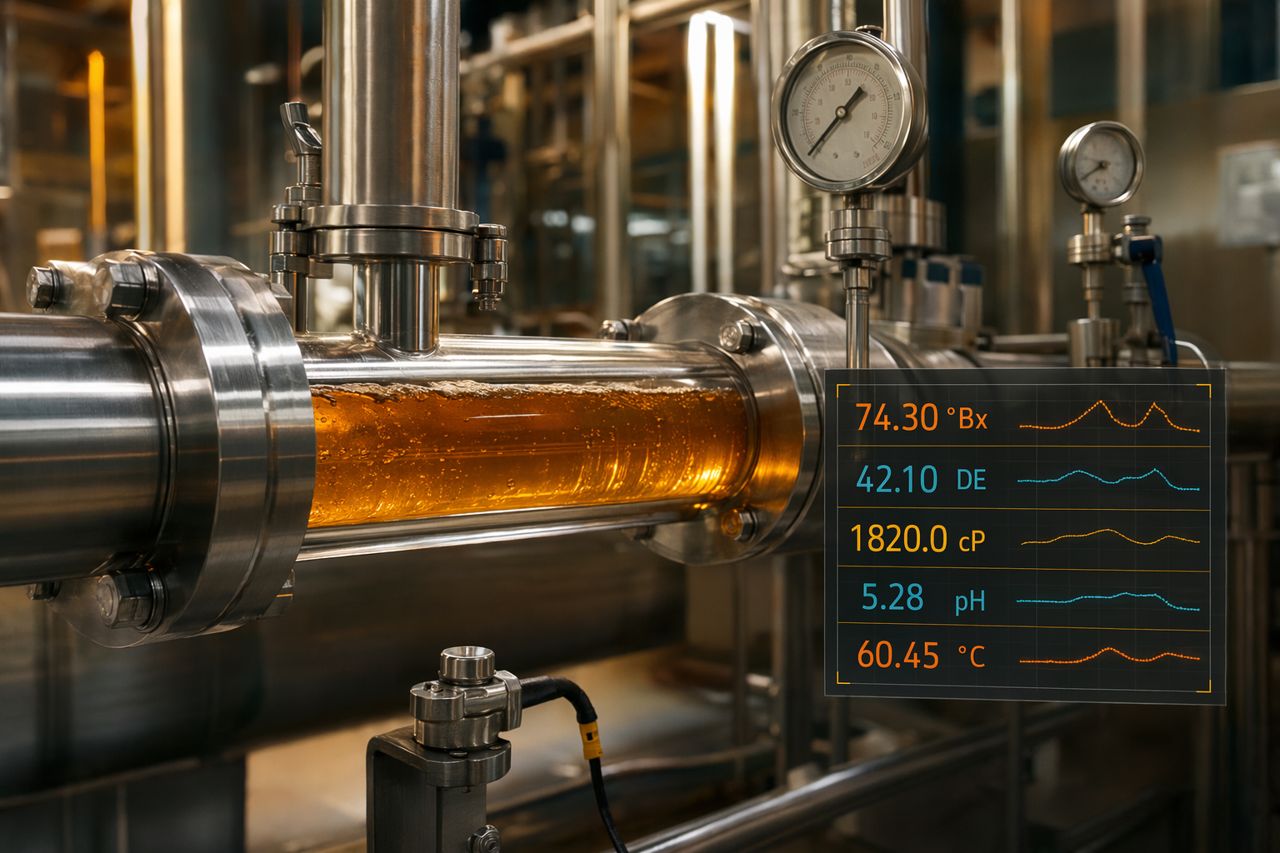
- Final DE, Brix, viscosity, and pH expectations
- Filtration and evaporator bottlenecks
- Storage, recirculation, and tanker loading conditions
- Customer quality limits and release criteria
For plants supplying breweries at scale
Enzymnova is a fit for adjunct syrup manufacturers that need dependable technical supply, not one-off troubleshooting. We support new product setup, enzyme replacement reviews, process optimization projects, and ongoing supply for established glucose syrup lines.
Whether your priority is improving fermentability, reducing viscosity excursions, stabilizing DE, or lowering the number of delayed tanker releases, our team can help select an enzyme program around measurable plant outcomes.
Request a quote
Tell us your starch base, target syrup profile, approximate process flow, and the production issue you want to improve. Enzymnova will review the fit and respond with an enzyme recommendation and a commercial quote.
Enzymnova supplies enzyme programs to starch-syrup manufacturers, syrup blenders and the ingredient distributors that serve breweries. We work with business buyers only, and every order is quoted: pricing, pack format and lead time are confirmed per order, not listed on the site.
To get a useful quote back quickly, send:
- Product or process step: liquefaction, saccharification, debranching, or a full conversion program
- Quantity: volume per order and per year or production campaign
- Destination: delivery country and the plant or port the enzyme ships to
- Syrup target: starch source, DE or fermentability range, and the problem you want to fix