How Adjunct Syrup Suppliers Can Speak the Brewer’s Language
Brewers do not buy adjunct syrup because it sounds good on a specification sheet. They buy it because it feeds a brewhouse and fermentation plan without surprises.
For a brewing adjunct syrup manufacturer, that means the conversation has to move beyond basic solids and shipment volume. The brewer is listening for process behavior: predictable fermentability, controlled viscosity, reliable attenuation contribution, clean handling, and fewer quality holds at receiving.
That is where a disciplined enzyme strategy becomes commercial language. The right enzyme supplier for brewing syrup production helps convert plant-floor control into brewer-facing confidence.
Brewers Care About How the Syrup Runs, Not Just What It Contains
A brewery production team is asking practical questions:
- Will this syrup pump cleanly at our receiving temperature?
- Will the fermentability profile stay consistent from tanker to tanker?
- Will it support our target gravity without creating unexpected attenuation drift?
- Will the syrup integrate cleanly into our dosing and blending sequence?
- Will we spend less time troubleshooting viscosity, haze contribution, or incomplete conversion risk?
If your sales conversation stays only at Brix, solids, or price, it leaves the brewer to translate the operational risk alone.
A stronger message connects syrup specification to brewery impact.
Translate Your Process Controls Into Brewer Outcomes
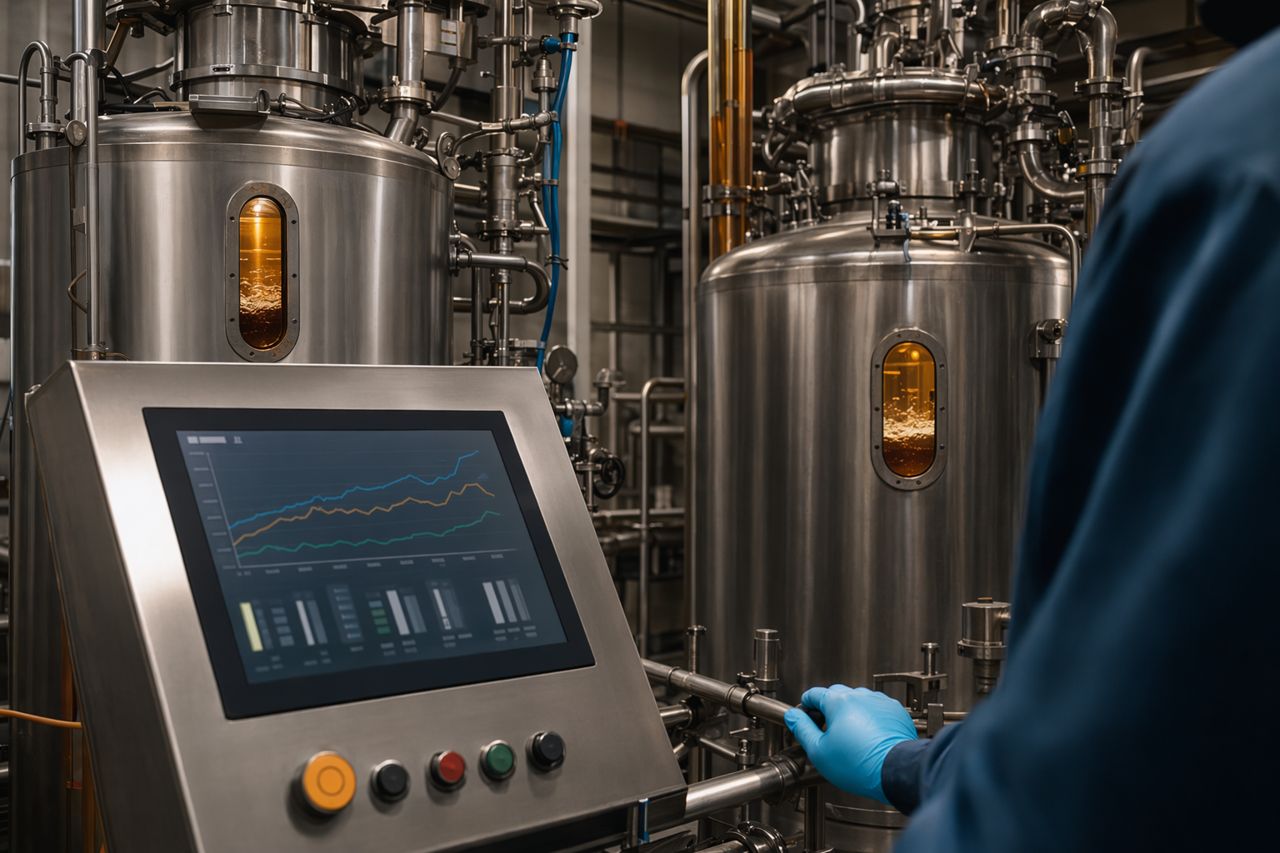
Adjunct syrup production has its own control points: slurry preparation, liquefaction, saccharification, filtration, evaporation, holding, and loading. Brewers may not need every internal detail, but they do need to know the product is controlled in ways that matter to their plant.
Instead of saying: “We use enzymes for conversion.”
Say: “Our enzyme program is built to deliver a repeatable fermentability profile and stable viscosity window across production lots.”
That statement speaks to the brewer’s real concern: predictable behavior in the cellar and at receiving.
Instead of saying: “The syrup meets spec.”
Say: “We manage conversion, pH, temperature, and hold time to reduce batch-to-batch drift before the syrup reaches your receiving bay.”
That tells the brewer the supplier is controlling the process before it becomes the brewery’s problem.
Instead of saying: “We can make custom syrup.”
Say: “We can align the carbohydrate profile and handling properties with your brewhouse dosing strategy, fermentation target, and tanker unloading conditions.”
That is brewer language: fit for use, not just made to order.
Five Brewer-Ready Terms Adjunct Syrup Suppliers Should Own
1. Fermentability target
For brewers, fermentability affects gravity planning, attenuation, alcohol contribution, and consistency from batch to batch. A syrup supplier should be able to discuss fermentability as a controlled production outcome, not a lab afterthought.
Enzyme selection and process sequencing influence how starch-derived carbohydrates are converted and balanced. When your plant can hold that profile reliably, your customer has fewer surprises in fermentation planning.
2. Viscosity control
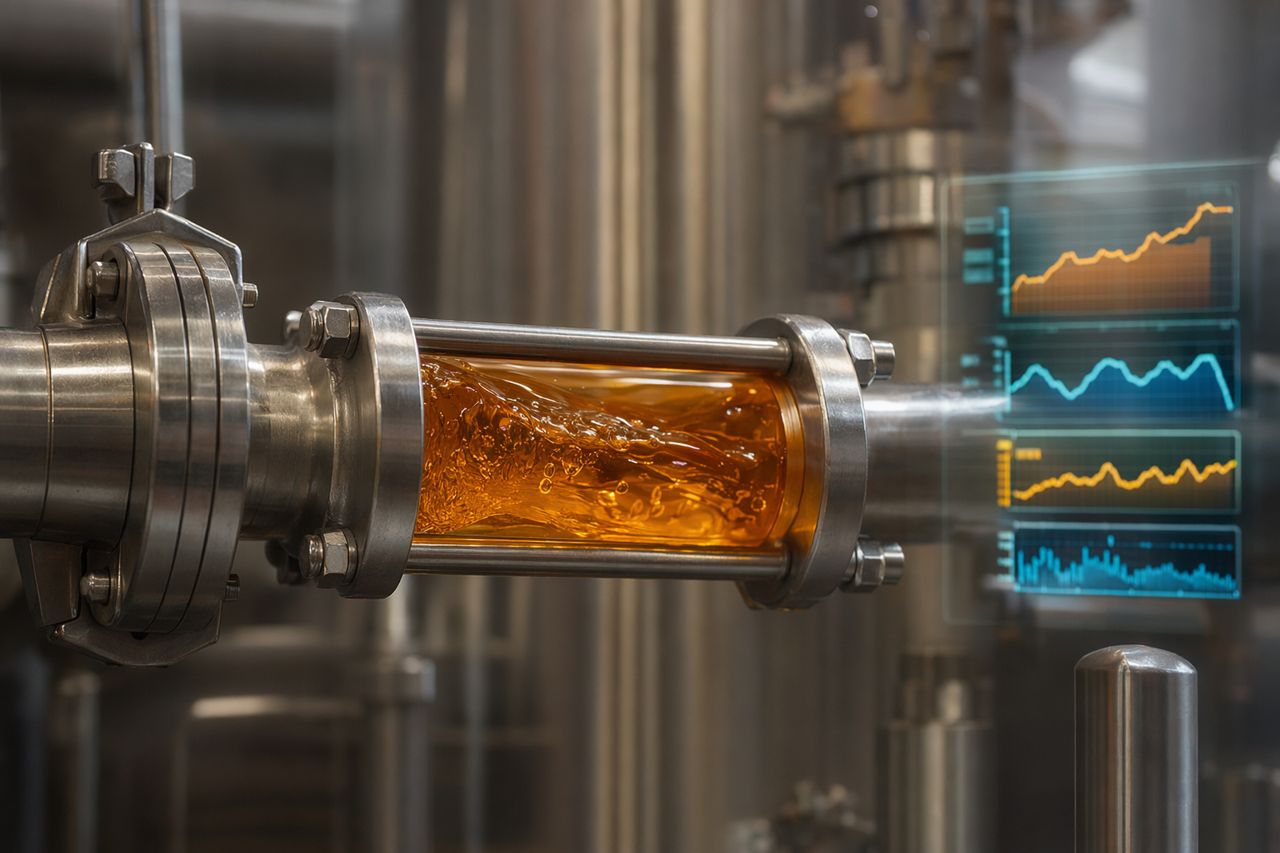
High or drifting viscosity creates problems in pumping, metering, unloading, filtration, evaporation, and brewery receiving. Brewers may experience this as slow tanker discharge, inconsistent dosing, or temperature-sensitive handling.
A practical enzyme program supports viscosity reduction early enough in the process to improve plant throughput and final syrup handling. That creates value on both sides of the loading arm.
3. Lot-to-lot consistency
Brewers often plan production around repeatable raw material behavior. If syrup performance shifts, the brewery absorbs the troubleshooting time.
For the syrup manufacturer, lot consistency depends on enzyme dosage reliability, process timing, substrate quality, pH discipline, and thermal control. BrixPilot frames enzyme supply around repeatable plant execution, so your team can defend consistency with confidence.
4. Receiving performance
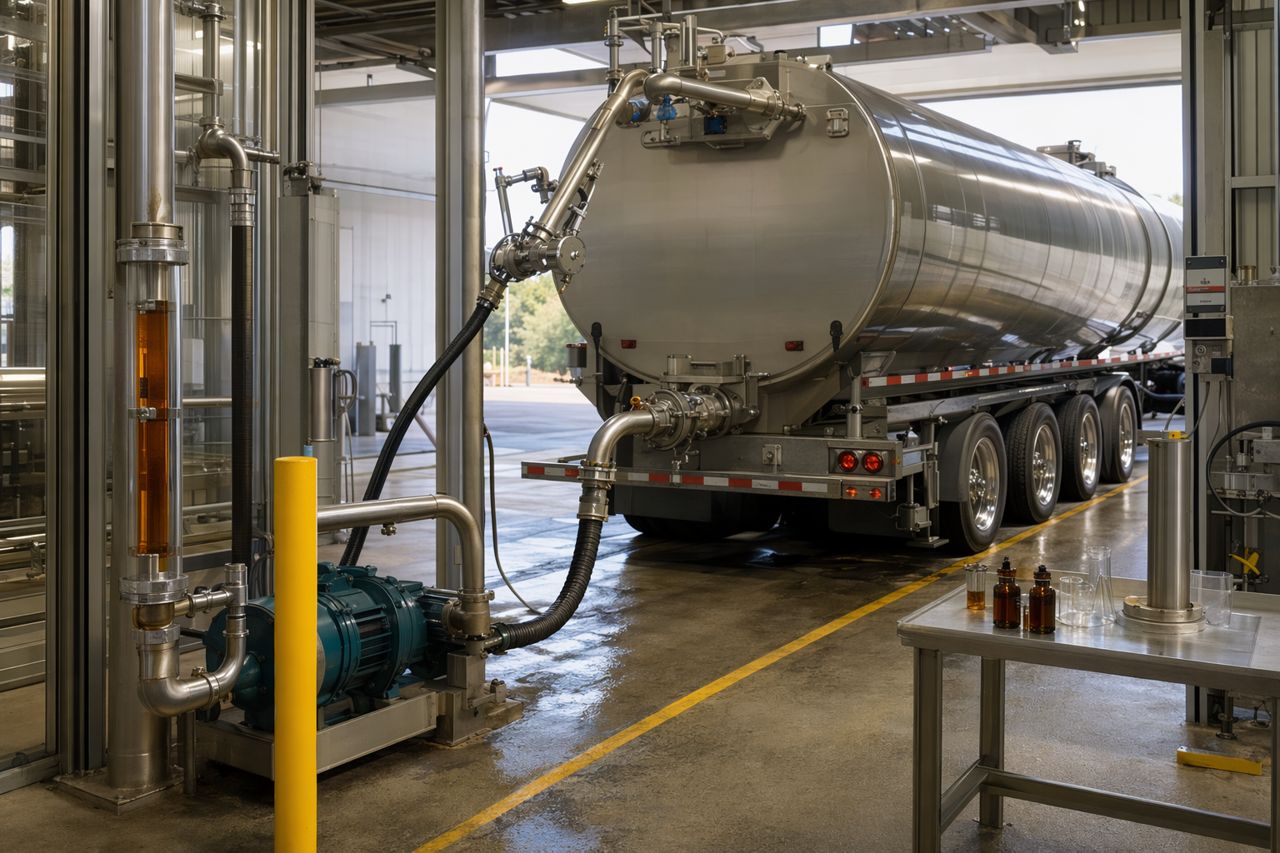
A tanker that meets paperwork requirements but unloads slowly still creates a production issue. Receiving teams care about pumpability, temperature response, cleanliness, and predictable transfer time.
When syrup viscosity and solids behavior are controlled upstream, the brewer sees fewer interruptions downstream. This is a strong differentiator for suppliers selling into high-throughput breweries.
5. Fewer off-spec tankers
Off-spec product does more than trigger a claim. It ties up inventory, creates scheduling pressure, and can damage trust with key accounts.
Enzyme performance, process monitoring, and feedstock variation all influence final syrup quality. A supplier that can explain how it reduces conversion drift and handling variability sounds more like a production partner and less like a commodity vendor.
Where Enzyme Strategy Supports the Sales Conversation
BrixPilot works with brewing adjunct syrup manufacturers that need enzyme solutions aligned with industrial syrup production realities.
That includes support for:
- Liquefaction stability and viscosity reduction
- Saccharification control for defined fermentability profiles
- Process robustness across feedstock variation
- Dosage reliability for shift-to-shift repeatability
- Cleaner filtration and evaporation behavior where process design allows
- Consistent syrup handling before storage and tanker loading
- Technical language your commercial team can use with brewery buyers
The goal is not to make enzyme purchasing more complicated. The goal is to make syrup production more predictable and easier to sell on operational value.
Build a Brewer-Facing Value Proposition
A clear value proposition for brewing customers should connect three levels of performance.
Plant performance
Your operators need stable liquefaction, manageable viscosity, predictable saccharification, and fewer process corrections during the run.
Product performance
Your quality team needs a syrup that stays within fermentability, Brix, pH, color, and handling expectations from batch to batch.
Brewery performance
Your customer needs a syrup that unloads reliably, doses consistently, supports target gravity, and avoids unexpected fermentation behavior.
When those three levels are aligned, the supplier conversation changes. You are no longer selling only syrup. You are selling reliable brewing input performance.
What to Prepare Before Talking With a Brewer
Before a technical or commercial review with a brewery, prepare language around these points:
- Your target fermentability range and how you control it
- How your process manages viscosity before filtration, evaporation, storage, and loading
- How you respond to feedstock variation
- What process checks reduce batch drift
- How tanker loading conditions affect receiving performance
- How your enzyme program supports repeatability without overcomplicating operations
- What corrective actions are in place before product leaves the plant
This gives brewery buyers confidence that your team understands their production pressures.
The BrixPilot View
Brewing adjunct syrup is an industrial ingredient business, but the best suppliers do not sound generic. They understand how their syrup behaves in another plant’s schedule, tanks, pumps, and fermentation plan.
BrixPilot helps adjunct syrup manufacturers align enzyme selection, process control, and customer-facing technical language. The result is a more dependable syrup operation and a stronger conversation with brewers who measure suppliers by uptime, consistency, and fewer disruptions.
Request a Quote
If you manufacture adjunct syrup for brewing and need an enzyme supply partner built around fermentability targets, viscosity control, and consistent plant execution, BrixPilot can help.
Request a quote through the on-site form and tell us about your feedstock, process layout, target syrup profile, and current production constraints.